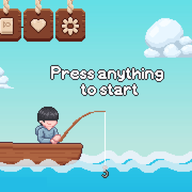
Your Ultimate Exquisite Fishing Ocean Guide: Master Deep-Sea Catches
Dive deep into the ultimate Exquisite Fishing ocean guide! Learn biome specifics, essential gear, advanced techniques, and discover legendary fish species.
Ready to cast your line into the vast, mysterious depths of the ocean in Exquisite Fishing? The open sea presents a thrilling challenge, offering a bounty of unique fish species and exhilarating encounters far beyond the tranquility of rivers and lakes. This comprehensive Exquisite Fishing ocean guide is designed to equip you with the knowledge and strategies needed to conquer the waves and reel in truly magnificent catches. Whether you're a novice angler or a seasoned pro looking to refine your deep-sea tactics, mastering the ocean's biomes is key to success in Exquisite Fishing.
Navigating the intricacies of ocean fishing demands specific preparation and a keen understanding of the underwater environment. From selecting the right bait to understanding current patterns, every detail contributes to your success. Let this Exquisite Fishing ocean guide be your compass as you embark on an unforgettable journey into the blue.
Understanding the Ocean's Diverse Biomes
The ocean in Exquisite Fishing isn't a monolithic body of water; it's a dynamic ecosystem segmented into various biomes, each with its own characteristics, fish populations, and challenges. Understanding these zones is the first step in any successful Exquisite Fishing ocean guide strategy.
Coastal Shallows
These areas are typically found closer to shorelines, characterized by shallower depths, warmer waters, and often more abundant sunlight. They are ideal for beginners, offering a good variety of common fish species and a lower risk of encountering aggressive predators.
Open Water Zones
Venturing further out, you'll encounter open water zones. These areas are deeper and often feature stronger currents. Fish here tend to be larger and more migratory, requiring more robust gear and patience. Pelagic species, those that live in the open ocean rather than near the bottom or shore, are common here.
Deep Sea Trenches
The ultimate challenge for any angler, deep sea trenches plunge into the darkest, coldest parts of the ocean. These extreme environments host rare, often bioluminescent, and highly sought-after species. Fishing here demands specialized equipment and advanced techniques due to immense pressure and scarce light.
Here's a quick overview of what to expect from each ocean biome:
Essential Gear for Ocean Fishing
Success in the deep blue hinges on having the right tools for the job. Unlike freshwater fishing, ocean environments demand durable, powerful, and often specialized equipment. This section of our Exquisite Fishing ocean guide details the gear you'll need to prepare.
Rods and Reels
For coastal fishing, a medium-heavy rod with a high-capacity spinning or baitcasting reel will suffice. As you move to open water and deep-sea fishing, you'll need heavier rods with greater backbone and conventional reels designed for immense pulling power and line capacity. Look for rods rated for heavier lines and lures.
Lines, Lures, and Baits
Monofilament is a good all-around choice for its stretch and knot strength, but braided line offers superior sensitivity and strength-to-diameter ratio, making it excellent for deep-sea applications. Fluorocarbon leaders are essential for their invisibility underwater.
Bait selection is crucial. Live bait like small fish or squid is often irresistible to larger predators. For artificial lures, consider large poppers for surface feeders, diving lures for open water, and heavy jigs or soft plastics for deep-sea species.
Specialized Equipment
Deep-sea fishing often requires specialized tools:
- Downriggers: To get baits to specific depths.
- Fish Finders/Sonars: To locate schools of fish or underwater structures.
- Gaffs and Landing Nets: For securing large catches.
- GPS/Navigation: To mark productive fishing spots and navigate safely.
Here's a checklist of essential ocean fishing gear:
Mastering Ocean Fishing Techniques
Beyond gear, understanding and executing proper fishing techniques is paramount. This section of the Exquisite Fishing ocean guide covers the various methods you'll employ to maximize your catch rate in the open water.
Trolling
Trolling involves dragging lures or baited lines behind a moving boat. This technique is particularly effective for covering large areas of open water and attracting highly migratory species like tuna and marlin. Vary your speed and lure depth until you find what triggers bites.
Bottom Fishing
As the name suggests, bottom fishing targets species that dwell near the seabed. This technique involves dropping weighted bait directly to the ocean floor. It's excellent for catching snapper, grouper, and other demersal fish in coastal and open water zones.
Jigging and Popping
Jigging involves vertically working a weighted lure (jig) up and down through the water column, mimicking injured prey. Popping uses surface lures that create splashes and commotion to attract aggressive surface feeders. Both are active and engaging techniques that can yield impressive results.
Deep Dropping
For the truly legendary fish found in deep sea trenches, deep dropping is the method of choice. This requires specialized electric reels and incredibly heavy weights to get bait down to extreme depths, often hundreds of meters. It's a test of patience and endurance, but the rewards can be monumental.
Rare Catches and Legendary Fish
The ocean is home to some of the most elusive and challenging fish in Exquisite Fishing. Landing a legendary specimen is the pinnacle of any angler's achievement. Each rare fish often has specific habitat preferences, bait requirements, and fight mechanics.
Identifying Hotspots
Keep an eye out for signs of life:
- Bird Activity: Diving birds often indicate baitfish schools, which in turn attract larger predators.
- Current Lines: Where two currents meet, baitfish often congregate, creating feeding opportunities.
- Temperature Breaks: Subtle changes in water temperature can concentrate certain species.
- Underwater Structures: Reefs, wrecks, and seamounts provide habitat and ambush points for many fish.
The Thrill of the Fight
Legendary ocean fish are known for their incredible strength, speed, and endurance. Be prepared for long, intense battles. Proper drag settings, smooth reeling, and strategic rod handling are crucial to preventing break-offs and tiring out your prize. Don't rush the fight; let the fish tire itself out.
Comparing common catches to legendary deep-sea prizes:
Advanced Strategies for the Deep Sea
To truly master the ocean in Exquisite Fishing, you'll need to go beyond the basics. This part of the Exquisite Fishing ocean guide delves into advanced tactics that can make the difference between a good day and an unforgettable one.
Understanding Current and Tide
Ocean currents and tides play a significant role in fish behavior. Fish often feed more actively during certain tidal changes or where currents create upwellings that bring nutrients to the surface. Learn to read these patterns and position your boat accordingly. Using a tidal chart can give you a significant advantage.
Sonar and Fish Finder Mastery
Your fish finder is more than just a depth gauge. Learn to interpret the arches and blobs on your screen to identify fish size, density, and even species (with practice). Look for bait balls, thermoclines, and underwater structures that hold fish. A well-placed drop based on sonar readings can lead to instant success.
Weather and Atmospheric Pressure
Changes in weather and atmospheric pressure can greatly influence fish activity. A falling barometer often signals an approaching storm and can trigger a feeding frenzy. Conversely, high, stable pressure might lead to less active fish. Adjust your strategy based on the forecast.
Cooperative Fishing
Some of the largest and most challenging ocean encounters might benefit from cooperative play if Exquisite Fishing supports multiplayer. Sharing information about hotspots, working together to herd fish, or having multiple lines in the water can increase your chances of landing a true behemoth.
Troubleshooting Common Ocean Fishing Challenges
Even the most experienced anglers face issues. Here's a quick guide to common problems and solutions:
Frequently Asked Questions about Exquisite Fishing Ocean Guide
What's the best way to start ocean fishing in Exquisite Fishing?
The best way to start is by exploring the Coastal Shallows. Use medium-heavy gear and common baits like cut fish or shrimp. This allows you to get a feel for ocean mechanics before tackling the deeper, more challenging biomes. Refer to this Exquisite Fishing ocean guide for specific gear recommendations.
What kind of bait is most effective for rare ocean fish?
For rare ocean fish, live bait such as small tuna, mackerel, or squid is often most effective. For deep-sea species, specialized glow-in-the-dark jigs or large dead baits rigged for deep dropping are usually required. Always check specific fish preferences if available in-game.
How do I find legendary fish in the deep sea?
Finding legendary fish in the deep sea requires patience and advanced tools. Utilize your fish finder to locate deep-water structures, trenches, and large, solitary marks. Pay attention to community reports (if available) or in-game hints about specific legendary fish spawn points. Proper deep-dropping techniques, as outlined in this Exquisite Fishing ocean guide, are also crucial.
Is it possible to fish at night in the ocean?
Yes, many ocean biomes in Exquisite Fishing support night fishing. Certain species, particularly those in the deep sea or nocturnal predators like Swordfish, are more active after dark. Ensure you have adequate lighting and navigation tools for safety and visibility.
Embark on your oceanic adventure with confidence, armed with the knowledge from this Exquisite Fishing ocean guide. The thrill of the catch awaits! For more information about the game and community insights, visit the official Steam page for Exquisite Fishing. Good luck, and happy fishing!
Related Guides
Discover the Best Exquisite Fishing Locations: Your Ultimate Guide to Finding the Perfect Catch
Master the waters with our guide to Exquisite Fishing locations. Learn the best biomes, gear setups, and techniques to improve your catch rate today.
Your Ultimate Exquisite Fishing Deep Sea Guide: Techniques, Gear, & Top Catches
Dive into our comprehensive exquisite fishing deep sea guide. Discover essential techniques, must-have gear, incredible trophy fish, and top global destinations for your next big adventure.